Sean Gillespie / @seanulacra
Software engineer thinking about worlds that answer back.
I work across infrastructure, product engineering, and AI-driven interactive systems. Lately I keep circling the same question: how can software make imagined places feel coherent, responsive, and alive?
Now
Modeling small worlds before naming big ones.
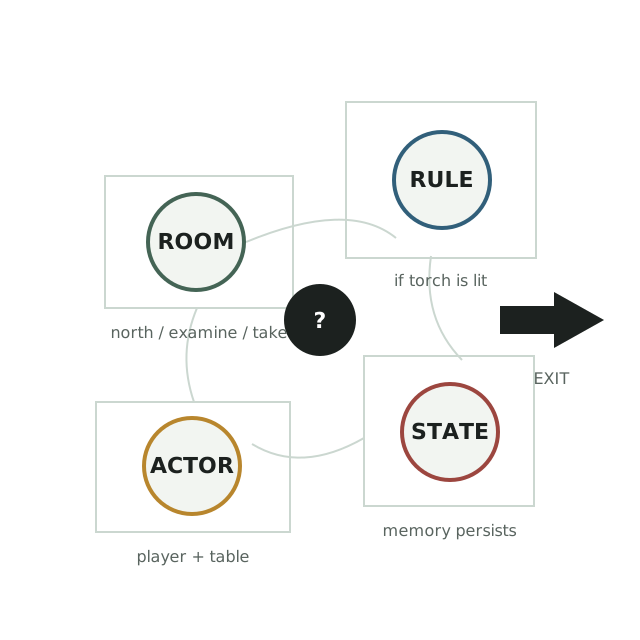
I am interested in the overlap between interactive fiction, tabletop roleplaying games, and modern AI systems: rooms with memory, rules that can bend without disappearing, and tools that help people play with richer imagined state.
World Model
The references are old, but the questions still feel current.
Infocom games taught me to care about dense rooms and precise verbs. TTRPGs taught me that a world is not just lore; it is a living agreement between people, rules, objects, and consequences. Good software can make those agreements easier to see, change, and inhabit.
Exits